
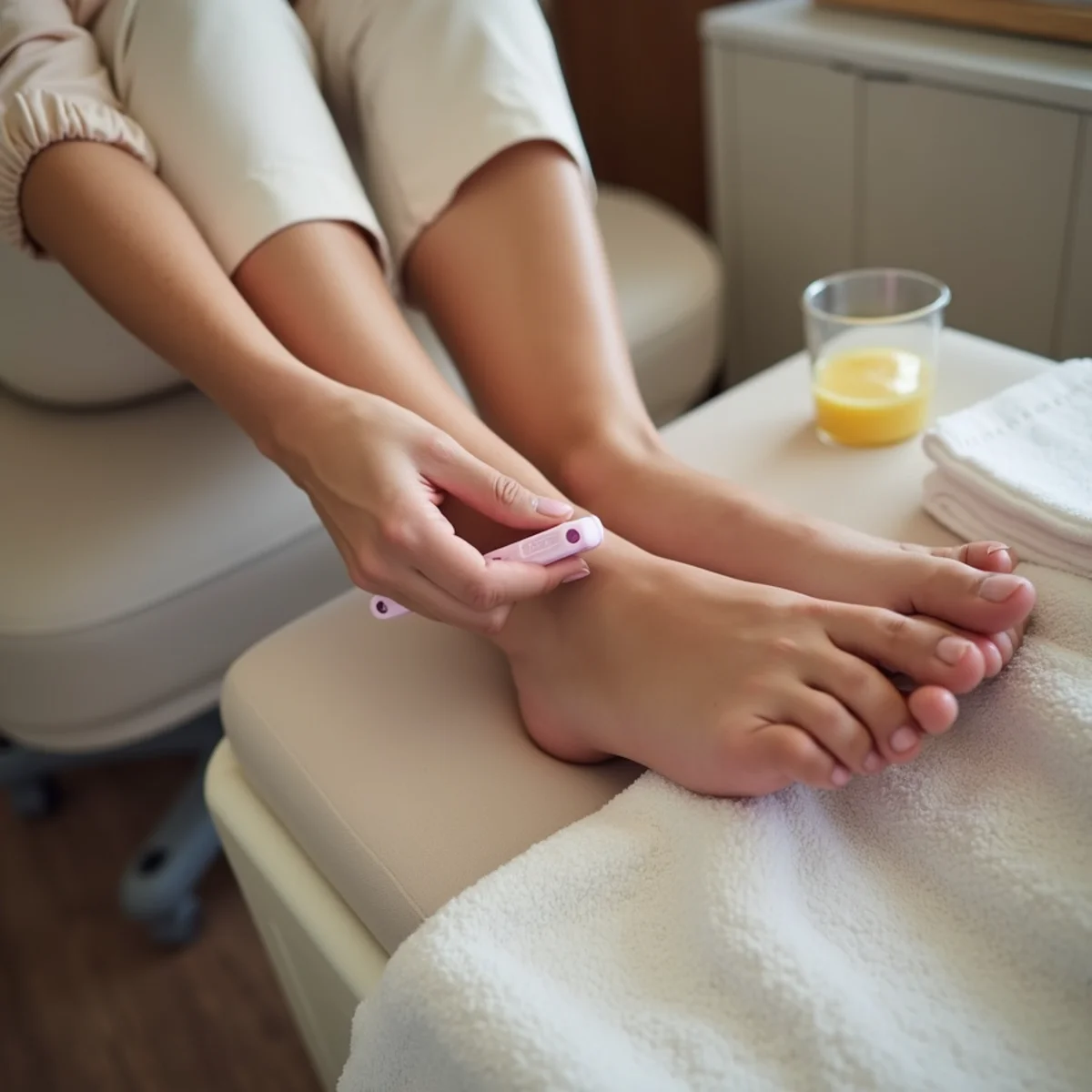
What should you know before choosing callus care pedicures?
Calluses form where skin responds to repeated pressure or friction. A cosmetic pedicure can make rough areas feel smoother, but trying to remove every layer at once is not the goal. Overly aggressive reduction can leave feet tender and may encourage discomfort when you return to normal shoes.
The best approach considers why the pressure exists. Footwear fit, long hours standing, gait, exercise, and dry skin can all contribute. Salon care may improve appearance and texture, while recurring pain, deep fissures, or a medical condition that affects sensation or healing needs qualified clinical advice.
A T-Nails review lists callus removal among services received. Call to ask about the current pedicure package, tools, price, and suitability. Describe the rough area clearly without treating cosmetic care as medical treatment.
When can this service be a practical fit?
Dry, rough-feeling heels
Cosmetic smoothing and a consistent moisturizing routine can improve texture when skin is intact and comfortable.
Pressure areas from footwear
A pedicure may address the visible buildup, while better-fitting shoes help reduce the repeated friction that causes it.
Seasonal foot care
Clients often notice rough areas before sandal season or after months in closed shoes and dry indoor air.
Maintenance, not diagnosis
The service is for cosmetic care. Painful, bleeding, inflamed, numb, or infected areas should be evaluated medically.
What details can the service include?
Service steps can vary. Use this list to explain what you want and ask which parts are included when you call.
A cosmetic-suitability screen
Callus thickness alone does not decide whether salon care is appropriate. Disclose diabetes, circulation concerns, reduced sensation, wounds, fissures, swelling, infection signs, and medical instructions. Painful or high-risk feet belong with a qualified healthcare professional rather than a cosmetic promise.
Pressure-area identification
Point out heels, the ball of the foot, toe edges, or other recurring areas and explain which shoes or activities create friction. A callus is a response to pressure; smoothing its surface does not remove the cause.
Conservative texture care
The useful goal is more comfortable, smoother-feeling intact skin—not complete removal of every protective layer. Ask what the current pedicure includes and do not assume blades, a named chemical product, or an aggressive technique.
A maintenance plan
Consistent moisturizer on intact dry skin, sensible footwear, and cautious home care can help between visits. Persistent focal pain, cracking, bleeding, warmth, or rapid recurrence needs appropriate clinical assessment.
How does the service conversation work?
01Screen for concerns
Tell the salon about diabetes, circulation concerns, reduced sensation, wounds, or active irritation and follow your healthcare provider's advice.
02Identify pressure points
Discuss where roughness returns and which shoes or activities seem to aggravate it.
03Use a conservative approach
Comfortable cosmetic smoothing should leave protective skin in place rather than chasing an unnaturally thin result.
04Plan home maintenance
Moisturizing and footwear changes often matter more between visits than aggressive home scraping.
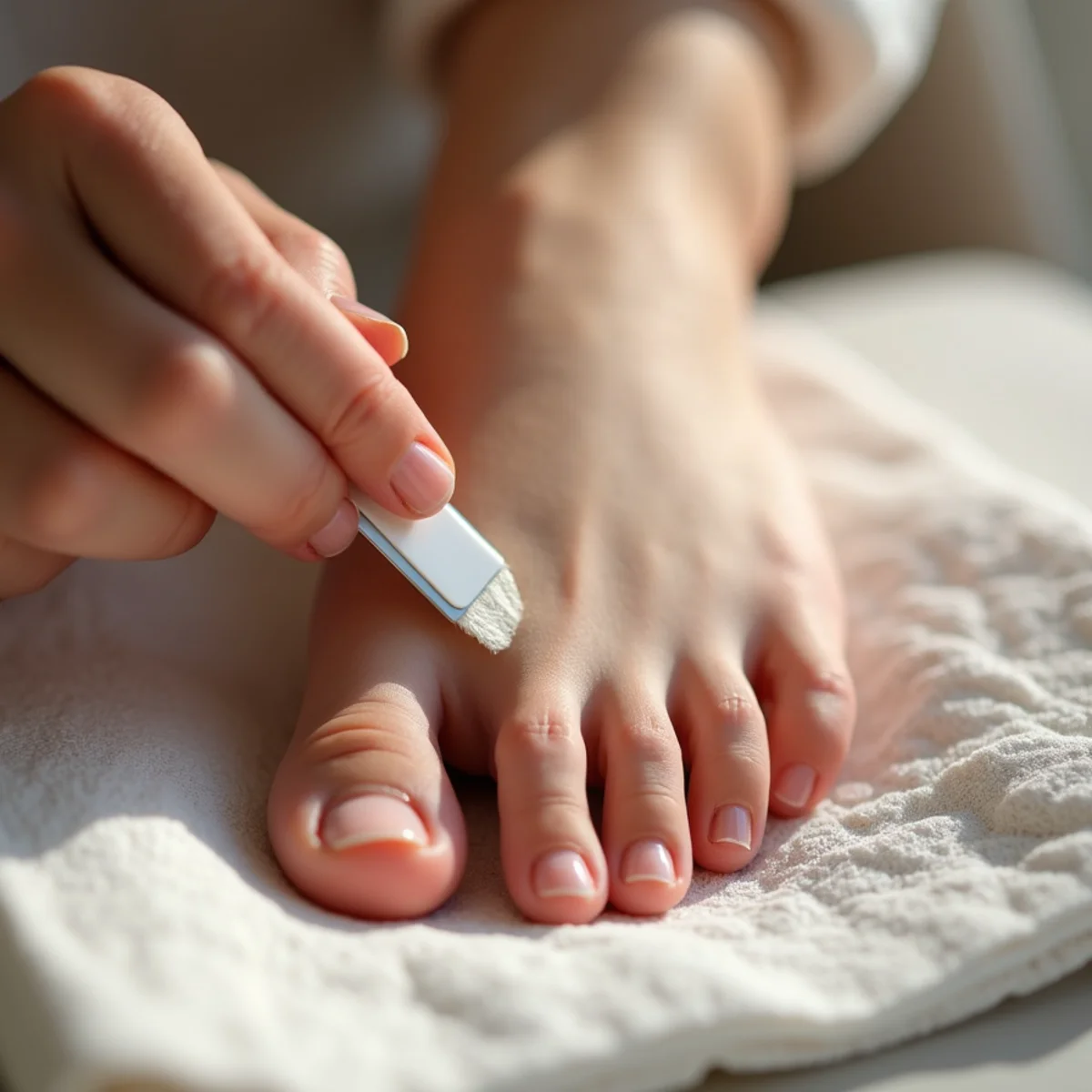
What factors can change the price?
T-Nails does not publish prices on this website. These are the details most likely to affect the service and the total.
Base pedicure
Callus care may be included in or added to a particular pedicure option.
Polish choice
Standard color, gel color, or no polish can change the overall service.
Additional massage
Extended foot massage may be a separate add-on when available.
Suitability
If the condition falls outside cosmetic care, the right outcome may be postponing service rather than adding cost.
Why choose T-Nails for callus care pedicures?
Review-confirmed service scope
A T-Nails review specifically records callus removal. The page uses that evidence while refusing to invent a branded treatment, tool, package tier, duration, or guaranteed amount of reduction.
Medical boundaries are explicit
Cosmetic roughness is separated from wounds, infection signs, neuropathy, impaired healing, and painful lesions. That protects clients from treating a nail-salon page as podiatric advice.
Comfort over aggressive removal
The guidance prioritizes gradual smoothing and preserved protective skin. It does not promote cutting calluses at home or chasing an unnaturally thin heel that may feel tender in ordinary shoes.
Connected Franklin foot-care guidance
Clients can compare classic, gel, spa-style, and massage-focused pedicure information, then call the single verified North Morton Street salon with a precise description of their needs.
Which communities use the Franklin salon for this service?
Callus-care inquiries come to the same T-Nails salon whether the client lives in Franklin, Whiteland, Greenwood, or Trafalgar. The linked local pages help with destination planning; they do not imply traveling technicians, medical foot care, or multiple branches.
Before leaving home, describe the rough area, whether skin is intact, any discomfort, relevant health concerns, current polish, and desired pedicure finish. Call for present availability and use the Google Maps route, especially when traveling from another Johnson County community.
How do you care for the result afterward?
Apply a foot moisturizer consistently to intact dry skin, especially after bathing. Avoid heavy moisture between toes if it stays trapped there.
Do not use blades or aggressively cut calluses at home. It is easy to remove living skin and create a wound.
Choose shoes that fit the widest part of the foot without rubbing. If roughness returns in exactly the same painful spot, consider professional medical assessment.
Ask about current service details.
Call with current product, desired result, removal, repairs, length, and art.
+1 956-586-3499