
Published August 1, 2026 · Updated August 3, 2026
By TNailsSpaFranklin.com Editorial · Independent, AI-assisted editorial guide · How this article was prepared
Recurring painful buildup, cracks, reduced sensation, or medical conditions that affect healing need more than a cosmetic home routine. Track when the rough area returns and which shoes or activities place pressure there so your next conversation is more specific.
Why do calluses keep returning?
Skin thickens in response to repeated pressure and friction. A rough heel, forefoot spot, or toe edge may return because the shoe, gait, activity, or standing pattern has not changed. Smoothing the surface treats the result, not the cause.
Notice when discomfort appears and which footwear you were using. A pattern is useful information for a healthcare professional or footwear specialist if the area becomes painful or persistent.
What is a conservative home routine?
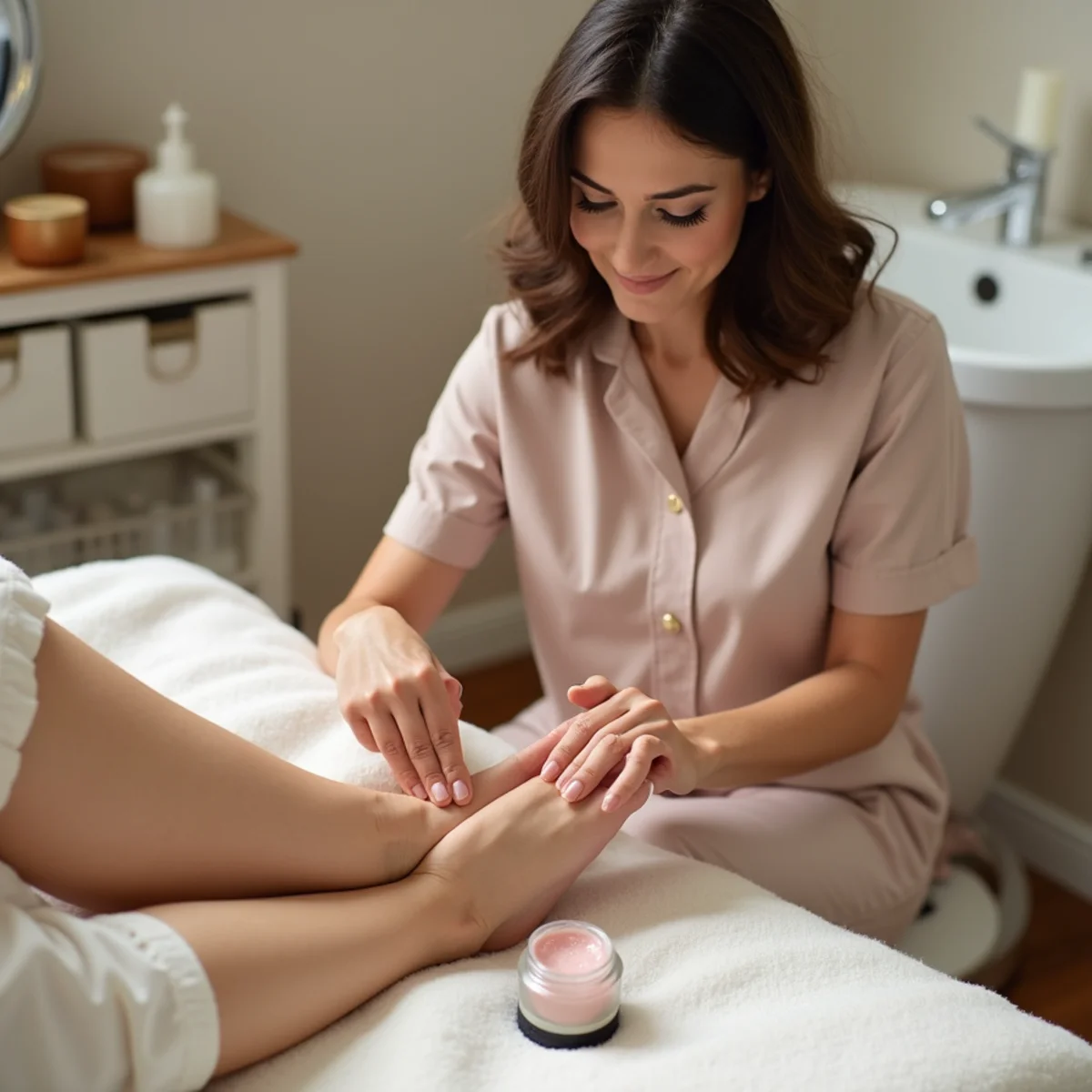
After bathing, dry feet carefully and apply moisturizer to intact dry areas. Use only gentle smoothing if appropriate, stop before tenderness, and never work on broken skin. Consistency is safer than occasional aggressive removal.
Avoid placing heavy moisturizer between toes if it remains wet there. Rotate breathable shoes and clean socks. These basic habits may feel less dramatic than scraping, but they support comfort without deliberately creating a wound.
Why should you avoid callus blades?
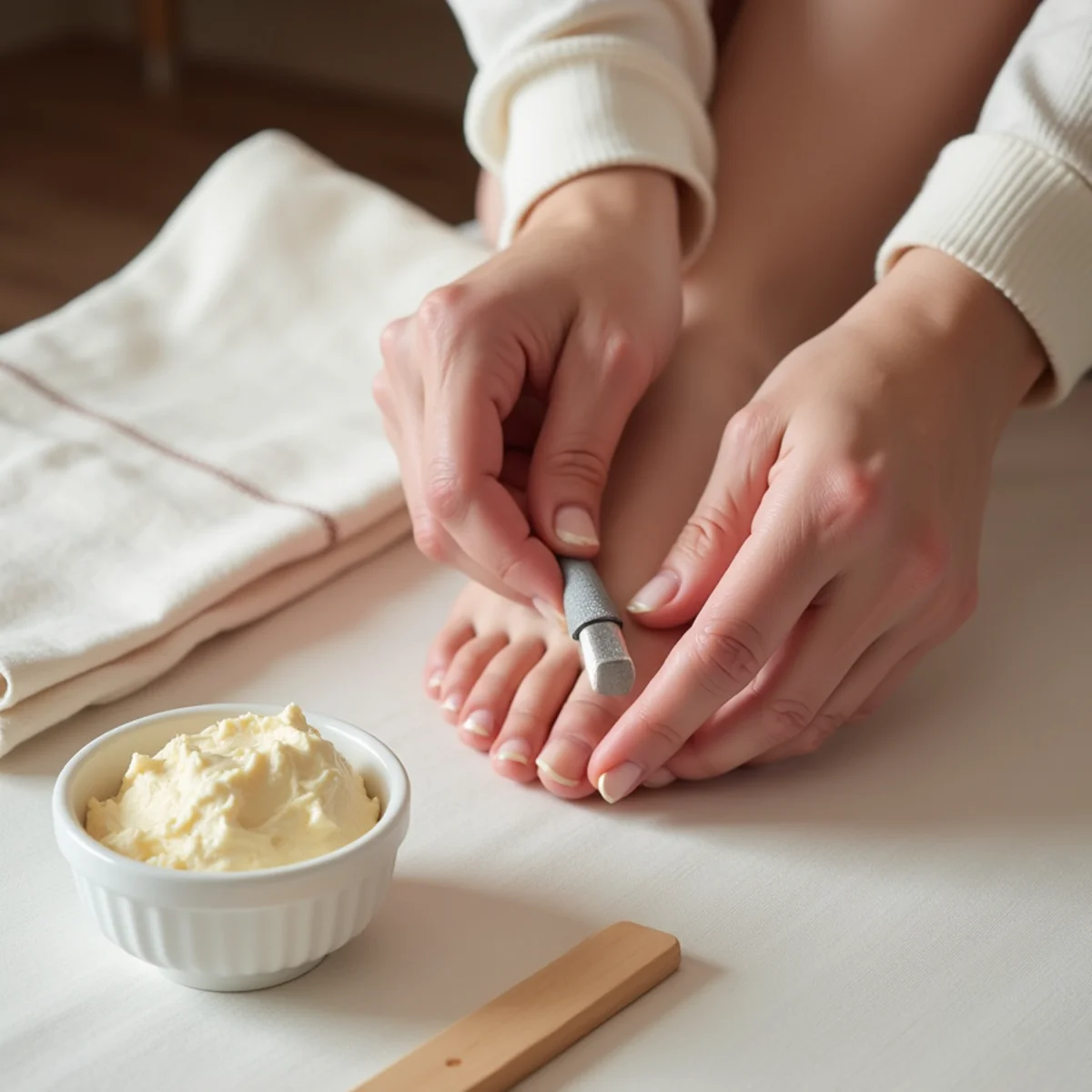
It is difficult to judge living tissue depth, especially on the underside of the foot. A blade can remove too much skin quickly and create bleeding, infection risk, and pain when standing.
People with reduced sensation may not feel damage immediately. Diabetes, circulation problems, neuropathy, or a history of poor healing require individualized medical guidance rather than salon or home cutting.
Aggressive removal can also make an ordinary pressure point feel raw inside shoes. If a callus returns quickly, shift attention from removing more skin to understanding footwear fit, repeated friction, standing patterns, and other causes that keep loading the same spot.
When is a salon pedicure not the right next step?
Deep fissures, bleeding, warmth, drainage, swelling, severe pain, sudden changes, or suspected infection should be assessed medically. A cosmetic pedicure cannot diagnose the cause or make unsafe skin suitable through more filing.
When skin is intact and the concern is ordinary rough texture, call the salon and ask how current pedicure options address cosmetic callus care. No specific T-Nails protocol or price is claimed on this website.
What should you remember?
- Reduce friction, not just thick skin.
- Moisturize intact areas consistently.
- Avoid blades and aggressive cutting.
- Keep between-toe spaces dry.
- Move painful or risky conditions to medical care.
Why should comfort, not perfect smoothness, set the goal?
Callused skin develops where friction and pressure repeat. Removing too much at once can leave an area tender without changing the shoe, gait, or activity that caused it. Between pedicures, use moisturizer on intact skin and review footwear fit instead of cutting, shaving, or aggressively grinding a hard area. A gentle routine is easier to judge because it does not create a new irritation.
A painful spot, crack, bleeding area, warmth, drainage, numbness, or recurring lesion is outside a simple cosmetic plan. People with diabetes, circulation problems, reduced sensation, or healing concerns should follow their clinician's foot-care advice. A pedicure can address ordinary surface roughness, but it should not be used to diagnose or treat the cause of pain.
Between-pedicure care
- Moisturize intact rough skin consistently.
- Check shoes for repeated pressure at the same spot.
- Do not cut or shave callused skin at home.
- Use qualified care for pain, cracks, bleeding, or sensation changes.
Sources used for this guide
This article uses the following primary or professional references for its health, hygiene, or product-safety context:
Frequently asked questions
Can moisturizer remove a callus?
Moisturizer can improve flexibility and rough texture but does not eliminate the pressure that caused the callus.
Is a foot file safe every day?
Daily aggressive filing can irritate skin. Use a conservative approach and stop if the area becomes tender.
Does T-Nails offer callus care?
The T-Nails review excerpts lists callus removal among services. Call to confirm the current pedicure options and suitability.
Related services
Nearby readers
Publisher note: Independent visitor guide. This website is not operated by, endorsed by, or affiliated with T-Nails. Confirm current services, prices, and appointments directly with the salon.