
Published July 22, 2026 · Updated August 3, 2026
By TNailsSpaFranklin.com Editorial · Independent, AI-assisted editorial guide · How this article was prepared
The safest next step depends on what broke. Natural nail, gel coating, dip, and acrylic transfer force differently. Do not use one repair method for every situation.
How do you handle a small free-edge snag?
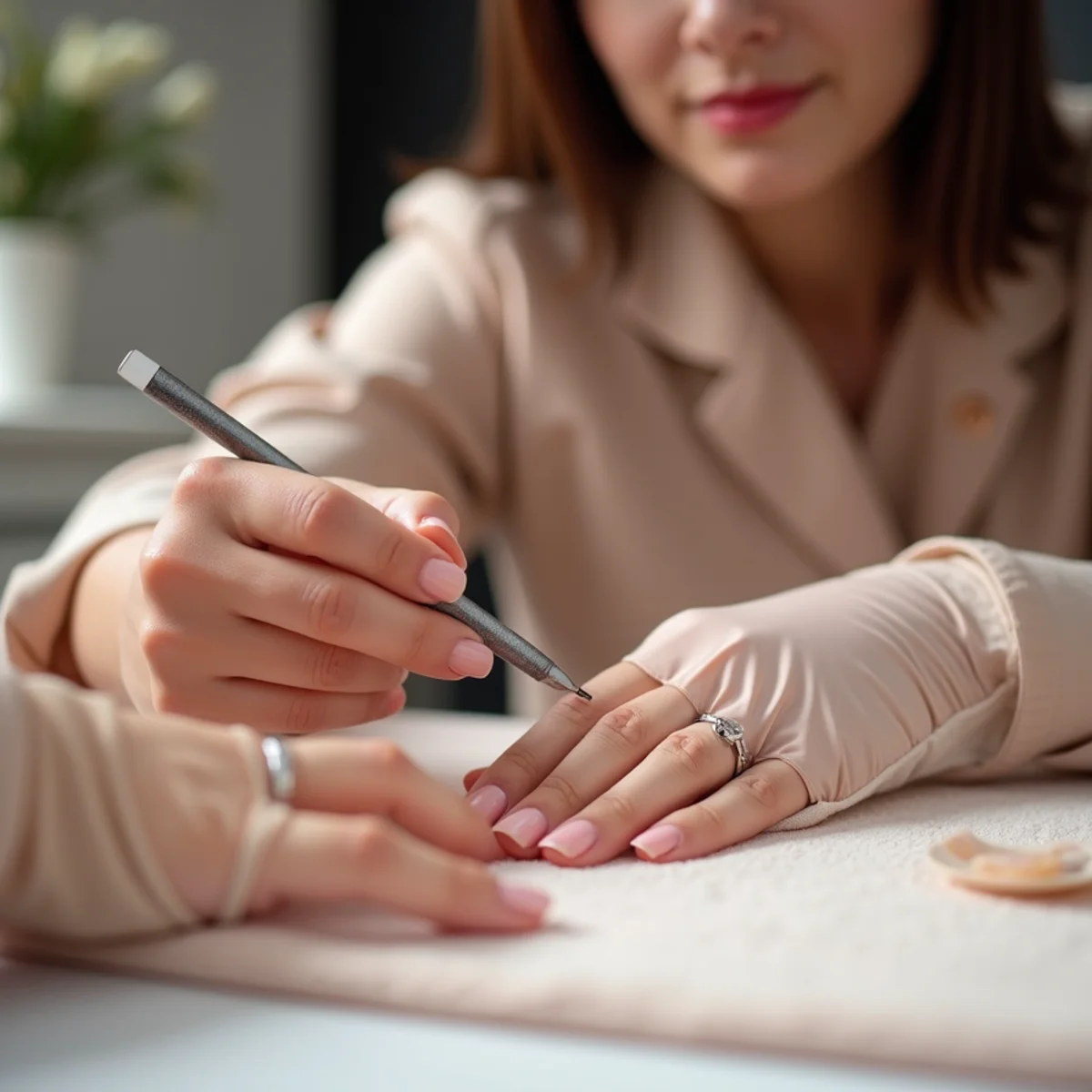
Wash and dry your hands, then use a clean fine file to smooth the direction that catches. Shorten the nail only as much as needed to remove leverage. Avoid tearing the loose edge because a shallow split can travel into attached nail.
A temporary bandage can protect the area until you can refine it properly. Clear polish may reduce catching on a superficial natural-nail split, but it should never seal over blood, pain, debris, or a deeper break.
What if an acrylic or dip nail cracks?
Do not snap the enhancement off. A strong coating may remain bonded to part of the natural nail, and pulling it can turn a product crack into a nail injury. Reduce use of the finger and cover sharp edges without applying pressure.
Call the salon and describe where the crack sits, whether the product is lifted, and whether there is pain. A cosmetic repair may be possible when the natural nail is intact; an injured nail needs a different plan.
Which signs mean you should not glue the nail?
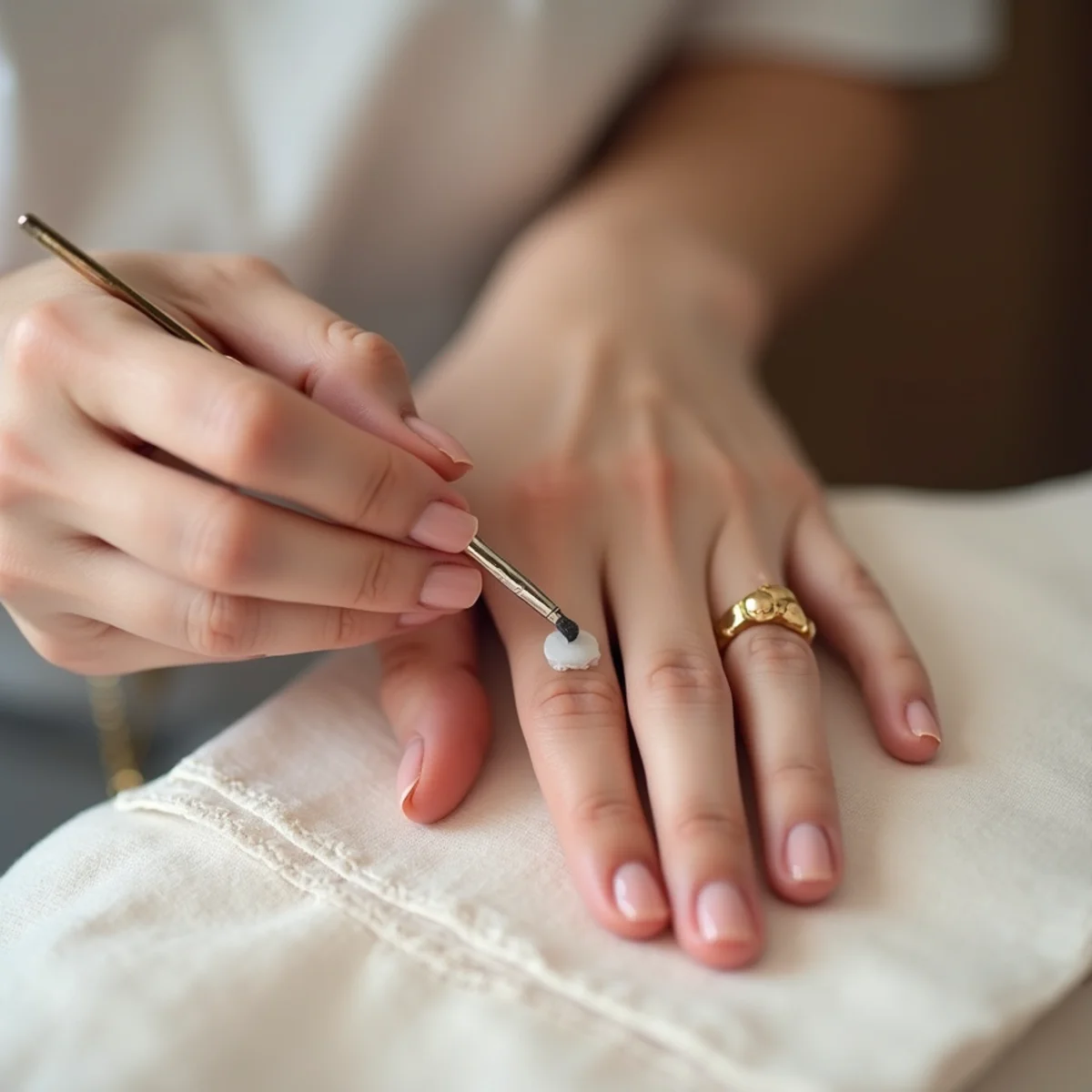
Bleeding, throbbing, swelling, heat, drainage, deep separation, or a crack extending into the pink attached area are reasons to avoid home glue. Adhesive can trap debris, irritate skin, and make assessment harder.
Clean and protect the area without forcing pieces together. Seek qualified medical advice when the injury is significant or symptoms persist. A salon can address cosmetic product after the tissue is safe, not replace injury care.
How can you reduce future breaks?
Keep length proportional to your routine and ask for balanced structure. Avoid using nails to pry or scrape, wear gloves for chores, and address lifting before it catches. Repeated breaks at the same point may signal shape, leverage, or an underlying nail issue.
Removal matters too. Peeling gel, dip, or acrylic can thin the surface, making the next nail more flexible and likely to split. Gentle product changes create a better starting point than increasingly thick cover-ups.
What should you remember?
- Smooth minor snags early.
- Never rip off a cracked enhancement.
- Do not glue over pain or blood.
- Protect the area from catching.
- Seek care for deep or symptomatic breaks.
How can you tell cosmetic damage from an injury?
First locate the break. A split entirely in the free edge is different from a crack that reaches attached tissue. If the nail is bleeding, partly detached, badly bruised, very painful, or accompanied by swelling, stop trying to smooth or cover it and seek appropriate care. Glue and fresh enhancement should not be used to hide an injury or seal unclean tissue.
For a minor free-edge snag, protect it from catching and avoid pulling the loose section. Note whether product is still attached because filing an enhancement like a bare nail can add leverage. A salon can discuss whether cosmetic shortening, removal, or repair is suitable only after the starting condition is clear. The CDC recommends cleaning and covering wounds; a cosmetic appointment is not wound care.
Broken-nail triage
- Check for bleeding, attachment, swelling, and pain.
- Protect a minor snag from catching; do not tear it away.
- Identify any gel, dip, acrylic, or unknown coating.
- Use healthcare rather than cosmetic coverage for an injury.
Sources used for this guide
This article uses the following primary or professional references for its health, hygiene, or product-safety context:
Frequently asked questions
Can a broken acrylic nail be filled?
It depends on the crack, lifting, product condition, and natural nail. A repair or removal may be needed instead of a routine fill.
Should I use nail glue on a split?
Only superficial cosmetic situations may be suitable. Do not glue skin, bleeding areas, painful breaks, or deep separation.
Does T-Nails offer nail repairs?
The T-Nails review and competitor research support nail-service inquiries, but T-Nails does not publish a fixed repair menu. Call and describe the damage.
Nearby readers
Publisher note: Independent visitor guide. This website is not operated by, endorsed by, or affiliated with T-Nails. Confirm current services, prices, and appointments directly with the salon.