
Published July 2, 2026 · Updated August 3, 2026
By TNailsSpaFranklin.com Editorial · Independent, AI-assisted editorial guide · How this article was prepared
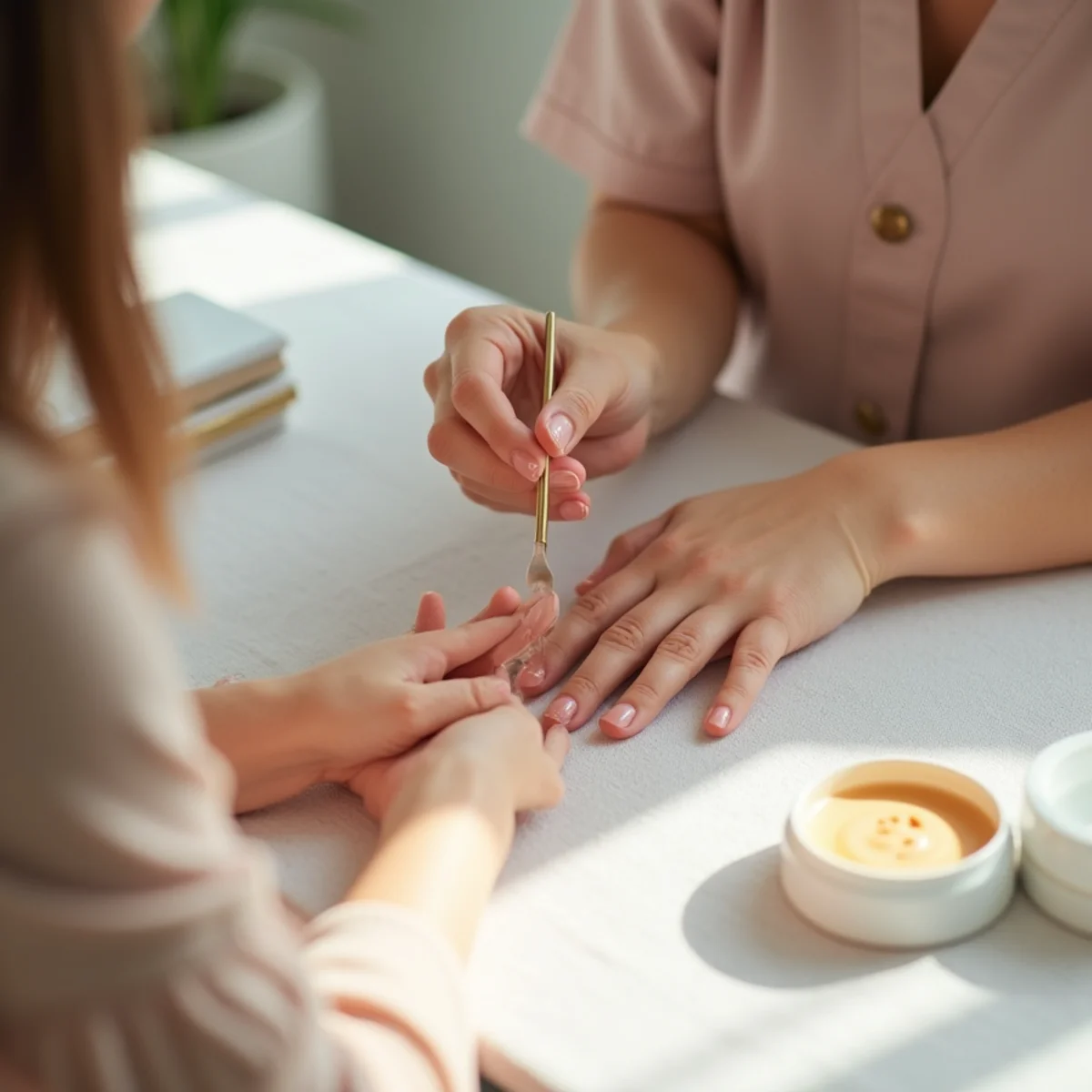
Healthy-looking nails also require honest limits. Cosmetic care can improve shape and appearance, but it cannot diagnose persistent pain, swelling, separation, or unexplained color changes. Those signs deserve professional medical assessment.
How should you shape natural nails?
Choose a length that does not repeatedly hit hard surfaces during typing, cleaning, sports, or childcare. A short rounded, oval, or squoval outline often distributes everyday stress more predictably than sharp corners, although the best shape also depends on your nail bed.
Use a clean file to smooth a snag before it turns into a split. Avoid sawing aggressively at thin sidewalls or cutting deeply into corners. The goal is a comfortable outline with enough support, not a shape that looks good in a photo but fails in your routine.
What does cuticle care actually mean?
The cuticle area protects the space where the nail grows. Daily care should focus on clean hands, moisturized skin, and resisting the urge to pick or tear. Cutting living skin too aggressively can create soreness and an opening for irritation.
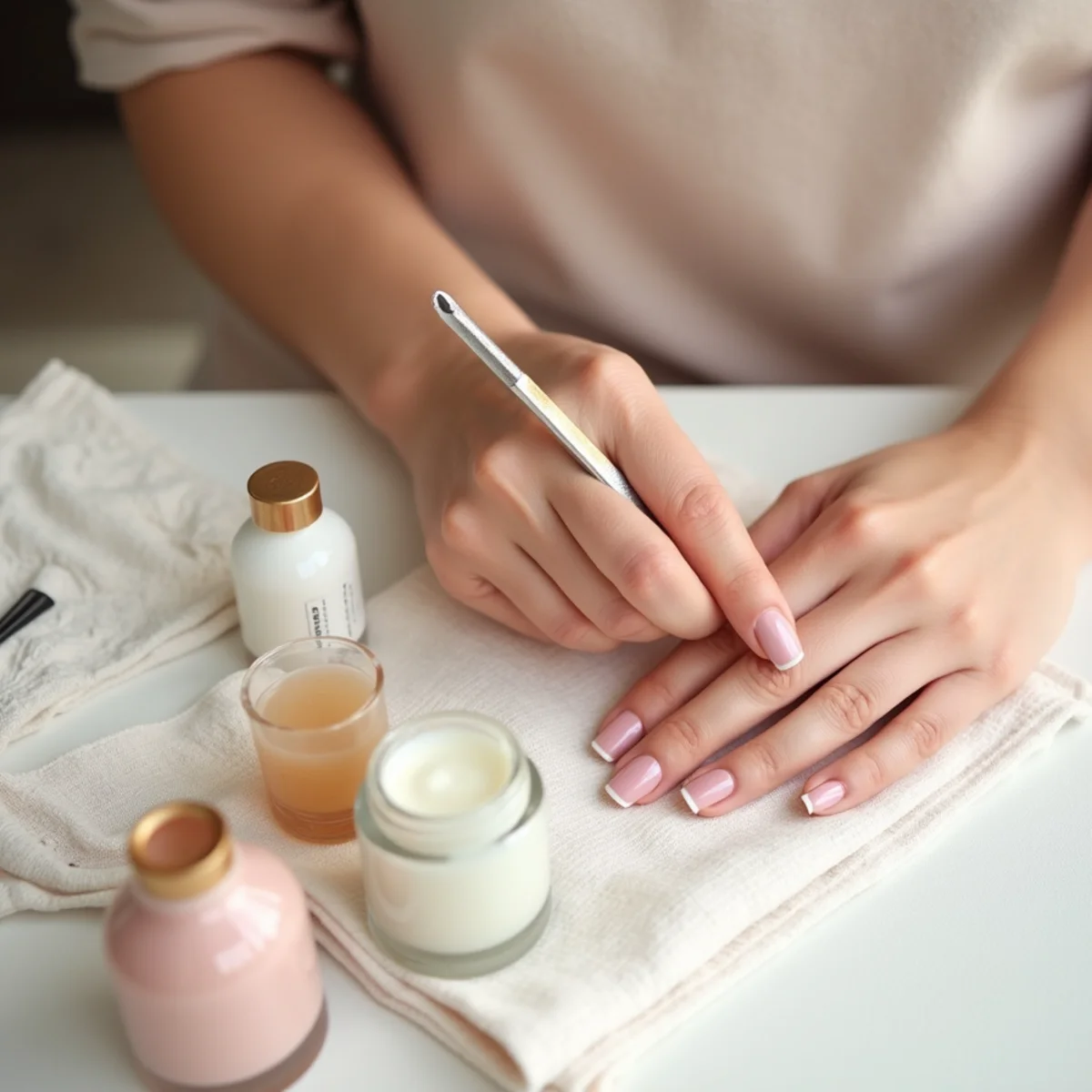
Apply cuticle oil or hand cream consistently to intact skin, especially after washing. Hydration improves flexibility and appearance, but it is not a cure for infection, dermatitis, or an allergic reaction. Persistent problems should not be hidden under product.
How can you reduce everyday breakage?
Wear gloves for dishes and household cleaning, and use tools for prying, scraping, and opening packages. Small habits matter because nail damage often comes from repeated low-level force rather than one dramatic accident.
If a nail cracks, shorten and smooth it conservatively. Do not glue over blood, pain, or a deep split. A superficial break may be handled cosmetically; a deeper injury needs time and appropriate care before another coating is applied.
How should you manage gel, dip, or acrylic changes?
Never peel product from the natural nail. Coatings can take keratin layers with them and leave thin, rough patches that bend more under the next service. That cycle may be mistaken for weak nails caused by the product itself when removal technique is part of the problem.
If you do not know what is on your nails, ask for professional identification and removal. Follow with a practical length and a coating choice that fits your willingness to maintain it. A break from product is not always required, but damaged or painful nails should not be covered automatically.
What should you remember?
- Keep length realistic.
- Smooth snags early.
- Moisturize intact skin.
- Protect hands from wet work.
- Remove coatings without peeling.
What makes a routine sustainable?
A good routine has very few moving parts: a practical length, a file used before a snag becomes a tear, hand protection for wet work, and moisturizer around intact nails and skin. Constant buffing, digging under the free edge, cutting the cuticle, and changing products every few days create more opportunities for irritation. Consistency usually tells you more than a crowded shelf.
Track one change at a time for several weeks because the visible nail plate grows slowly. If you start wearing gloves, change remover, shorten the shape, and add several oils at once, you will not know which change helped or irritated the skin. The CDC advises against cutting cuticles because they act as a barrier. That is a useful boundary for both home care and salon questions.
A simple weekly nail routine
- File snags in one controlled direction.
- Moisturize nails and surrounding intact skin after washing.
- Wear gloves for prolonged water and household chemicals.
- Watch for a persistent change instead of covering it repeatedly.
Sources used for this guide
This article uses the following primary or professional references for its health, hygiene, or product-safety context:
Frequently asked questions
Do nails need to breathe between manicures?
Nails are made of keratin rather than breathing tissue. A break may still be useful when the nail is damaged, sore, or needs assessment without a coating.
Does cuticle oil make nails grow faster?
Oil mainly supports flexible, neat-looking surrounding skin and can reduce dryness. Growth rate depends on broader biological factors.
Should I buff ridges smooth?
Heavy buffing thins the nail. Gentle cosmetic smoothing may be appropriate, but persistent or changing ridges should be discussed with a healthcare professional.
Nearby readers
Publisher note: Independent visitor guide. This website is not operated by, endorsed by, or affiliated with T-Nails. Confirm current services, prices, and appointments directly with the salon.