
Published June 4, 2026 · Updated August 3, 2026
By TNailsSpaFranklin.com Editorial · Independent, AI-assisted editorial guide · How this article was prepared
Think of wear as a chain. Nail condition, preparation, application, curing, length, daily tasks, and removal all affect the next link. Improving only one habit may help, but the most reliable results come from treating the whole routine as one system.
What should happen before gel color is applied?
Old product must be identified and removed without peeling layers from the natural nail. The nail surface should be clean, shaped, and prepared for the particular system. Heavy hand cream right before a visit can complicate oil control, while aggressive at-home buffing can leave the plate thin and flexible.
Tell the technician if your gel normally lifts at the same corner or if your nails bend easily. A repeated pattern provides useful information. It may point to shape, length, impact, moisture, or product compatibility rather than a need to file the natural nail more aggressively.
Which daily habits shorten gel wear?
Using nails to open cans, scrape labels, pry packaging, or pick at hard surfaces creates small stresses at the free edge. Repeated contact can break the seal even when one incident seems harmless. Use a tool or the side of a finger instead.
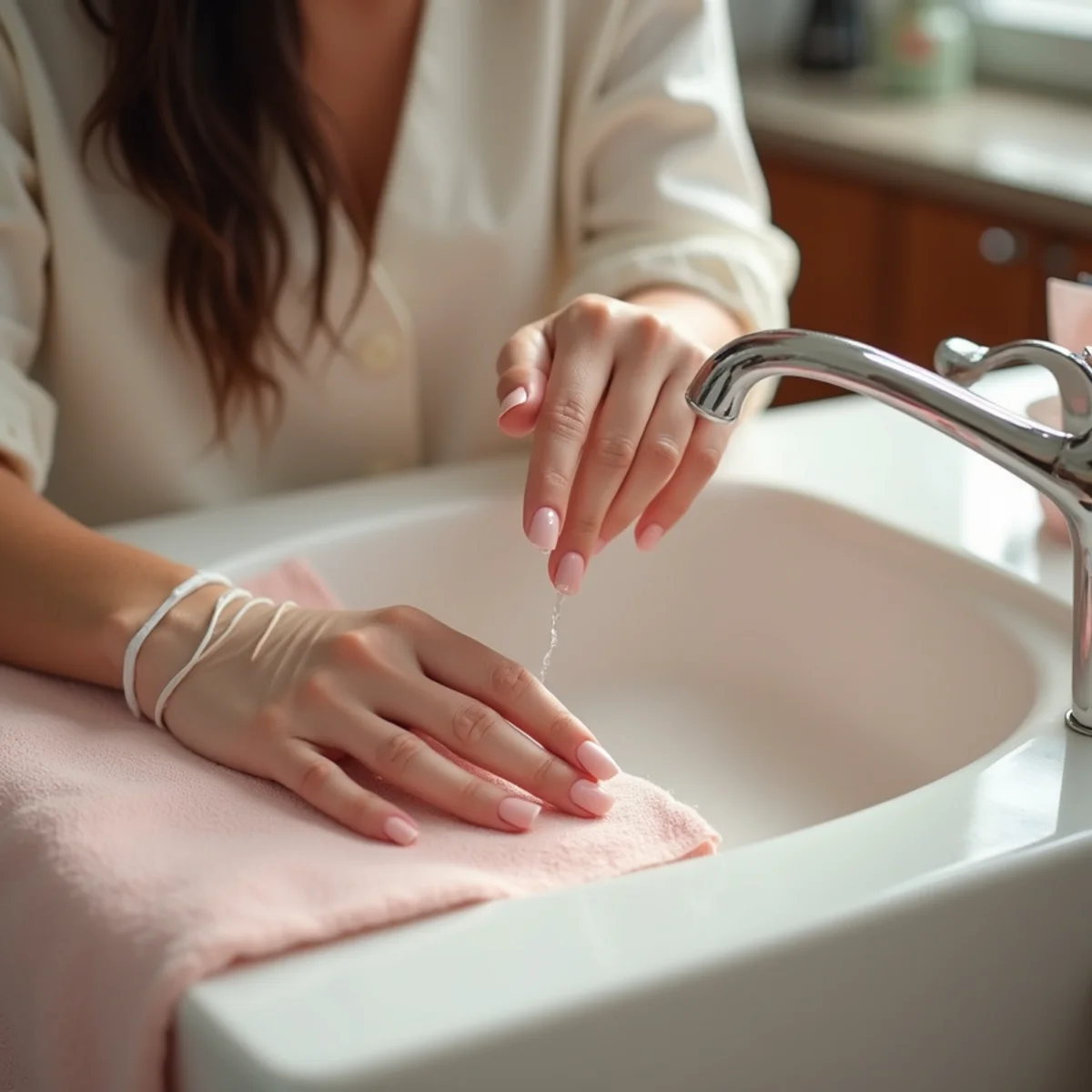
Long water exposure makes natural nails swell and contract. The gel coating does not move in exactly the same way, so frequent cycles can encourage separation. Gloves during cleaning and dishwashing reduce both water exposure and contact with strong household products.
What should you do when gel begins lifting?
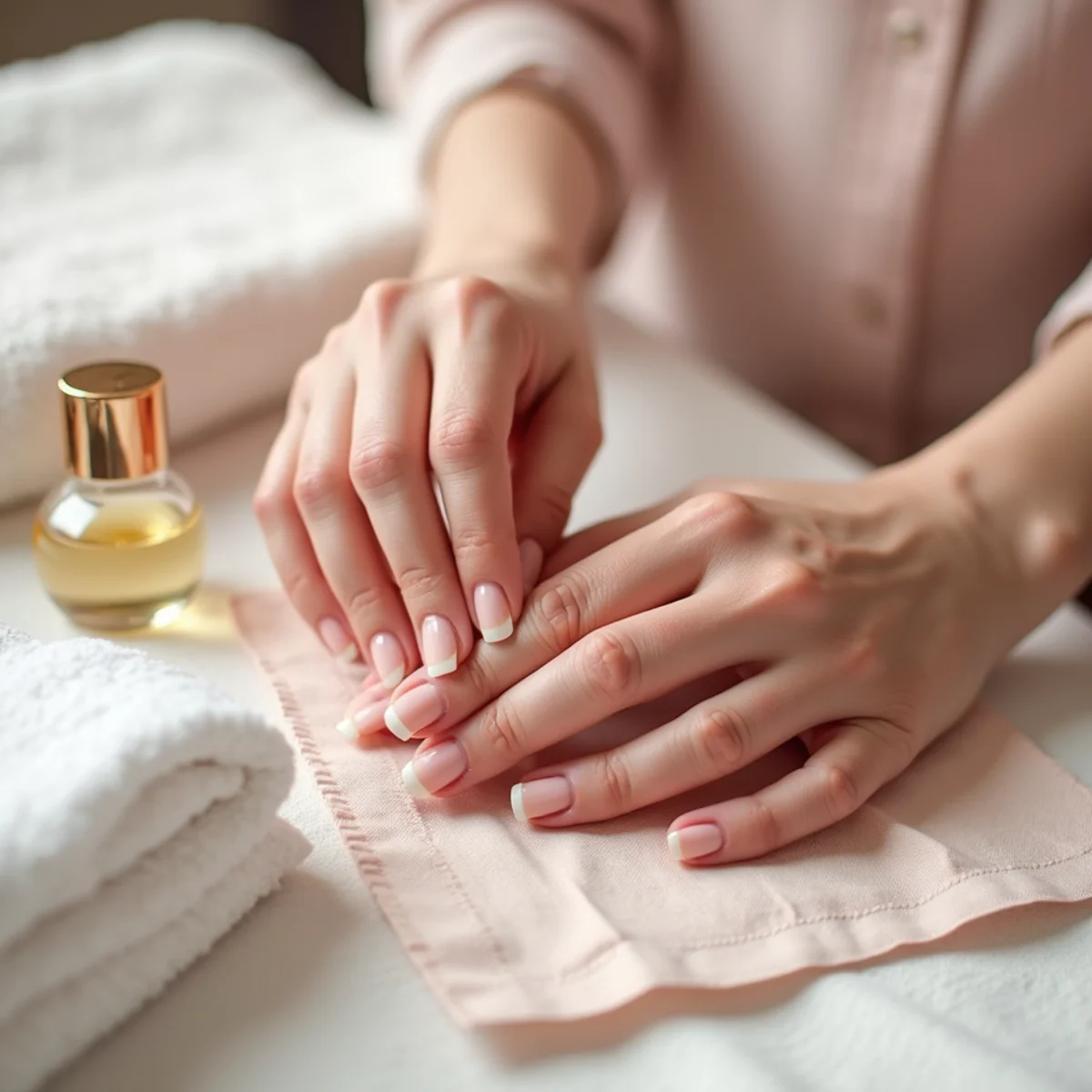
Do not peel the lifted area. The coating can take surface layers of nail with it and create an uneven base for the next manicure. Do not push oil, glue, or polish underneath the opening because moisture and debris may already be present.
Contact the salon to discuss removal or repair. If the nail is painful, discolored, swollen, or injured, skip cosmetic coverage and seek appropriate medical advice. A glossy top coat should never be used to hide a condition that needs assessment.
Why does gentle removal affect the next manicure?
A manicure does not begin on appointment day; it begins with how the previous coating comes off. Scraping softened product too aggressively or peeling it dry can leave thin patches that bend under the next application. That movement often shows up as early lifting.
When you do not know whether the coating is gel, dip, or another product, professional identification is useful. Different materials respond differently to filing and soaking. Guessing at home can turn a routine change into several months of growing out avoidable damage.
What should you remember?
- Wear gloves for wet cleaning tasks.
- Use cuticle oil around intact coating.
- Keep length practical for your routine.
- Never peel a lifted edge.
- Arrange removal based on growth and condition, not shine alone.
Which wear pattern tells you the most?
Look at where the coating changes first. Free-edge chipping usually points toward impact or a length that meets too many hard surfaces. Lifting near the sidewall can follow repeated pressure, while separation close to the cuticle may relate to grow-out, skin contact during application, or preparation. Photograph the first changed area before filing it away. A clear pattern gives the next service conversation something concrete to work with.
More top coat is not a universal repair. It can smooth minor surface dullness, but it cannot reconnect product that has separated from the nail. Once an edge lifts, keep it from catching and arrange proper removal or repair. The American Academy of Dermatology also advises moderation with gel manicures and careful protection of the surrounding skin, so longer wear should never mean repeatedly covering a nail that looks or feels unhealthy.
A useful gel-wear check
- Note the first finger and edge that changes.
- Match length to work, cleaning, and keyboard habits.
- Use gloves for prolonged wet or chemical tasks.
- Arrange removal instead of peeling a lifted coating.
Sources used for this guide
This article uses the following primary or professional references for its health, hygiene, or product-safety context:
Frequently asked questions
Can cuticle oil make gel lift?
Oil applied after a finished service generally supports surrounding skin. Preparation immediately before application is different, so follow the technician's guidance on appointment day.
Why does gel lift on one finger first?
That finger may receive more impact, bend more, contact water more often, or have a different nail shape. Repeated patterns are worth discussing before the next application.
Should I add clear polish over lifting gel?
No. A top layer does not restore the original bond and may seal over moisture or debris. Arrange proper attention instead.
Nearby readers
Publisher note: Independent visitor guide. This website is not operated by, endorsed by, or affiliated with T-Nails. Confirm current services, prices, and appointments directly with the salon.