
Published July 28, 2026 · Updated August 3, 2026
By TNailsSpaFranklin.com Editorial · Independent, AI-assisted editorial guide · How this article was prepared
If you do not know whether the coating is dip, gel, or acrylic, stop guessing. Correct identification determines the removal path.
Why is the top layer reduced first?
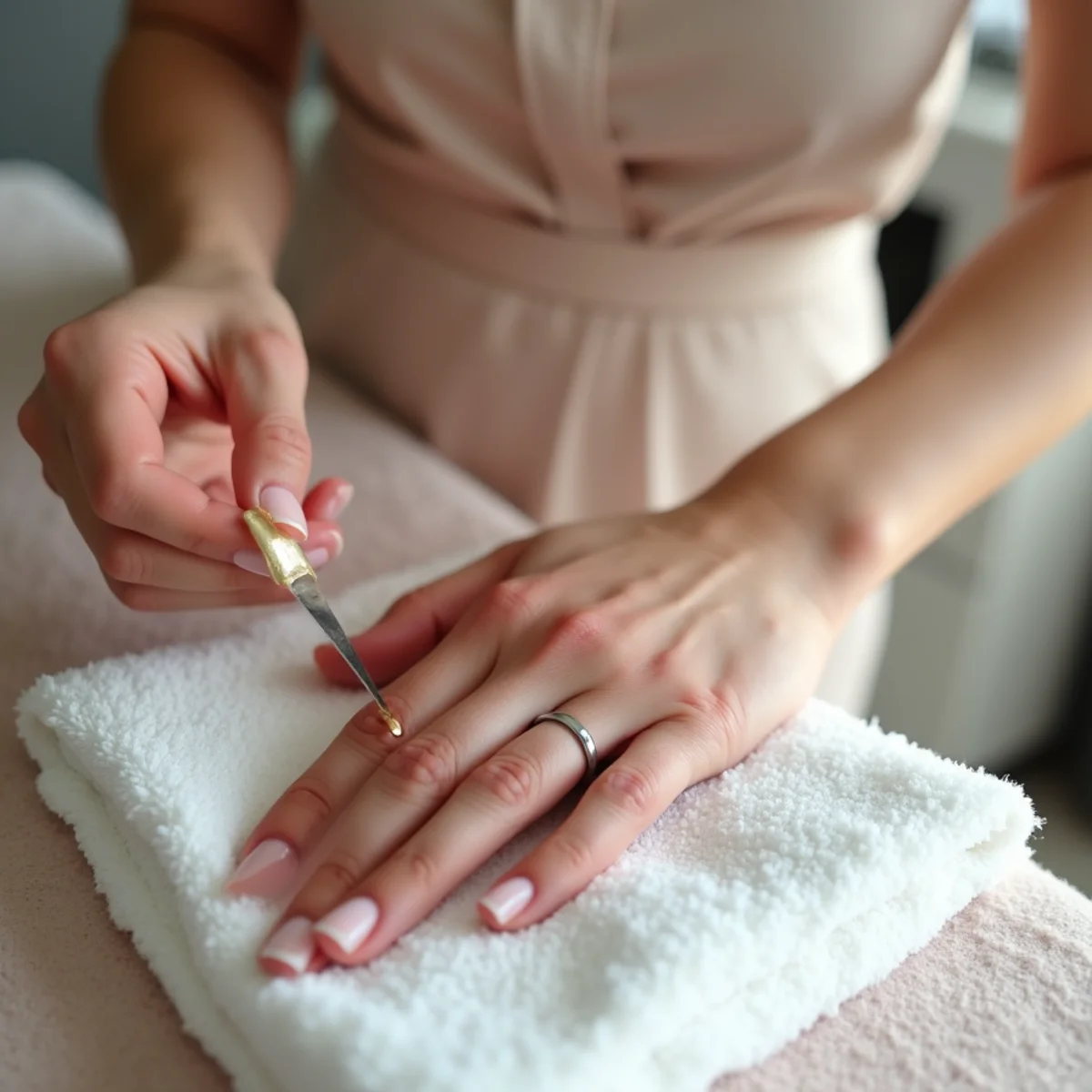
Dip powder has a sealed finish that slows remover penetration. Controlled filing reduces that barrier so the remaining material can soften more evenly. This step targets product, not the natural nail beneath it.
Overfiling creates heat, sensitivity, and thin spots. At-home users often cannot tell where product ends and nail begins, especially with clear base layers. Professional control is valuable when thickness or product identity is uncertain.
What should softening accomplish?
The goal is to make remaining product easy to move without pressure. Timing depends on the system, thickness, and how much top material was reduced. Resistant areas need more patience, not a metal tool used as a lever.
Avoid exposing broken skin or irritated cuticles to remover. If the nail is painful, discolored, deeply cracked, or lifted from the nail bed, seek appropriate assessment instead of continuing a cosmetic removal routine.
Why is peeling so damaging?
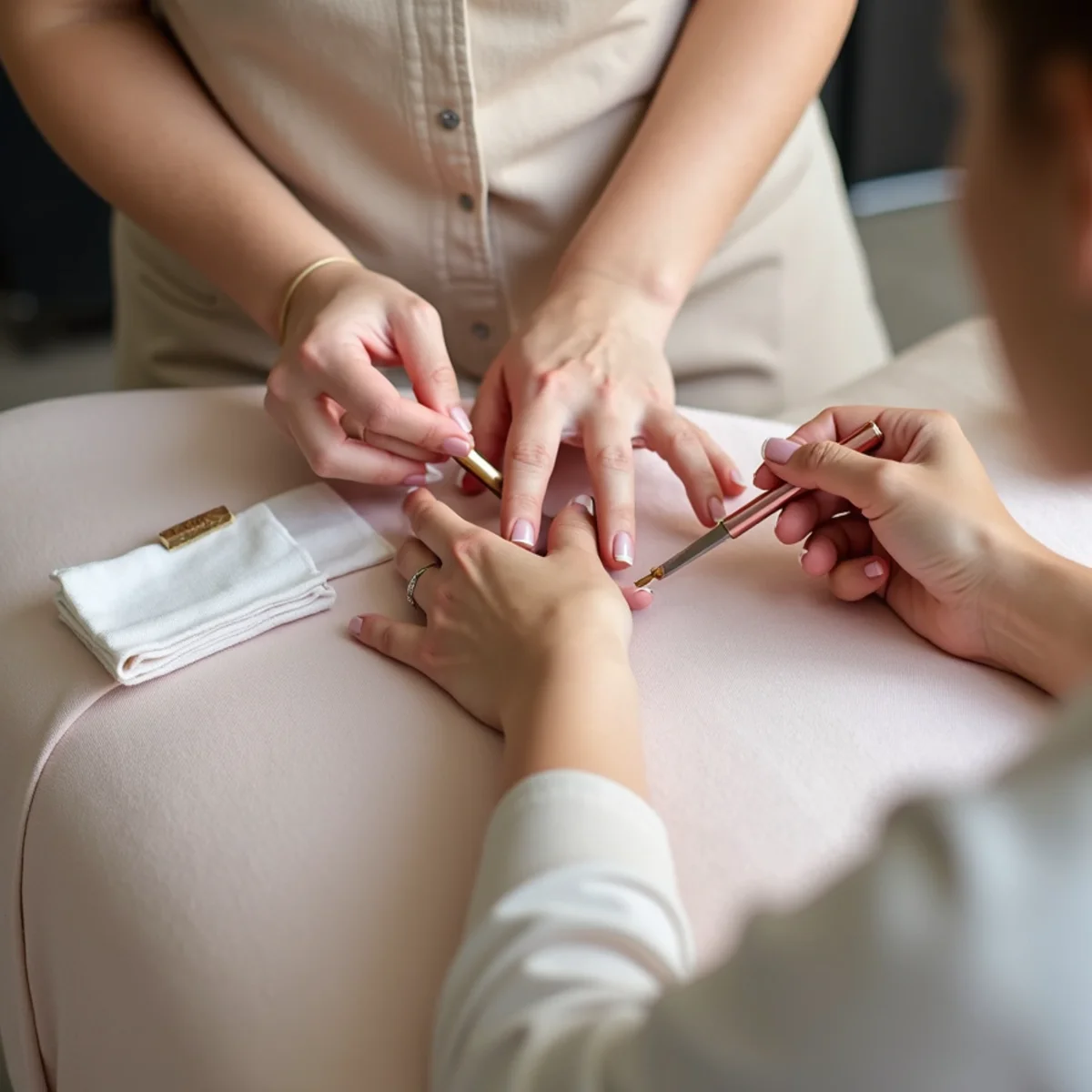
Dip may remain strongly bonded even when an edge lifts. Pulling that edge can take keratin layers with it, leaving white rough patches and uneven flexibility. The next coating then sits on a weaker base and may lift earlier.
That creates a cycle: early lifting leads to more picking, which causes more thinning, which leads to less predictable wear. Breaking the cycle begins with patient removal and a practical next service.
What should happen after removal?
The nail should be checked for comfort, splits, discoloration, and surface condition. Gentle shaping and hydration around the nail can improve appearance. Heavy buffing to erase every visible mark may cause more thinning.
A new manicure may be suitable when the nail is comfortable and sound. If it is sore, unusually thin, separated, or otherwise concerning, leave it visible and seek guidance rather than immediately covering it with another firm system.
What should you remember?
- Identify the product first.
- Reduce only the sealed product surface.
- Let the coating soften fully.
- Never pry resistant patches.
- Assess the natural nail before reapplication.
Why does the surface look uneven after bad removal?
Dry peeling can take thin layers of natural nail with the coating. The result may look chalky, ridged, or patchy and can bend more under the next service. Scraping before the product has softened enough creates a similar problem. If you do not know whether the coating is dip, gel, acrylic, or a combination, identify it before choosing files, wraps, or soak time.
A good removal stops when resistance shows that more softening or careful reduction is needed. It does not chase every final speck by digging into the nail plate. The American Academy of Dermatology advises giving nails recovery time if they become brittle, split, or peel after dip manicures. Covering damage immediately may hide the signal without solving it.
Removal questions worth asking
- What product is currently on the nail?
- How will bulk be reduced before soaking?
- What happens if a layer resists gentle removal?
- Should the next coating wait because the nail is thin or irritated?
Sources used for this guide
This article uses the following primary or professional references for its health, hygiene, or product-safety context:
Frequently asked questions
Can regular polish remover take off dip?
Dip removal typically needs a product and process suited to the coating. Weak remover can lead to long exposure and tempting scraping.
Why are nails white after dip removal?
Surface dryness, residue, or layers removed through peeling can create white areas. Painful or persistent changes deserve professional assessment.
Should dip be removed before every new color?
Salon policies and nail condition vary. Ask how the current product will be handled rather than assuming a fill or full removal.
Nearby readers
Publisher note: Independent visitor guide. This website is not operated by, endorsed by, or affiliated with T-Nails. Confirm current services, prices, and appointments directly with the salon.