Published July 9, 2026 · Updated August 3, 2026
By TNailsSpaFranklin.com Editorial · Independent, AI-assisted editorial guide · How this article was prepared
Hand shape can influence preference, but lifestyle should make the final decision. A shape that catches during work or requires constant repairs is not truly flattering because it never stays comfortable or intact.
Which shapes work well on short natural nails?
Round follows the natural fingertip and removes sharp corners, making it a useful choice for hands that type, clean, or work with equipment. Squoval keeps a straighter top while softening corners, creating a polished compromise between round and square.
Short square nails can also look clean, especially on naturally wider nail beds, but the corners may catch. The technician may suggest softening them based on sidewall strength. Avoid forcing a narrow shape when the available nail does not support it.
When do oval and almond shapes make sense?
Oval narrows gently and can create a longer visual line without a dramatic point. It works on natural nails with enough free edge or on enhancements built to support the taper. Almond narrows more noticeably and usually needs additional length.
The sidewalls matter. Filing too far into them to create a slim look can weaken natural nails. An enhancement may provide a safer structural path for a longer almond shape, but it also adds maintenance and requires careful removal.
What should you know about square and coffin nails?
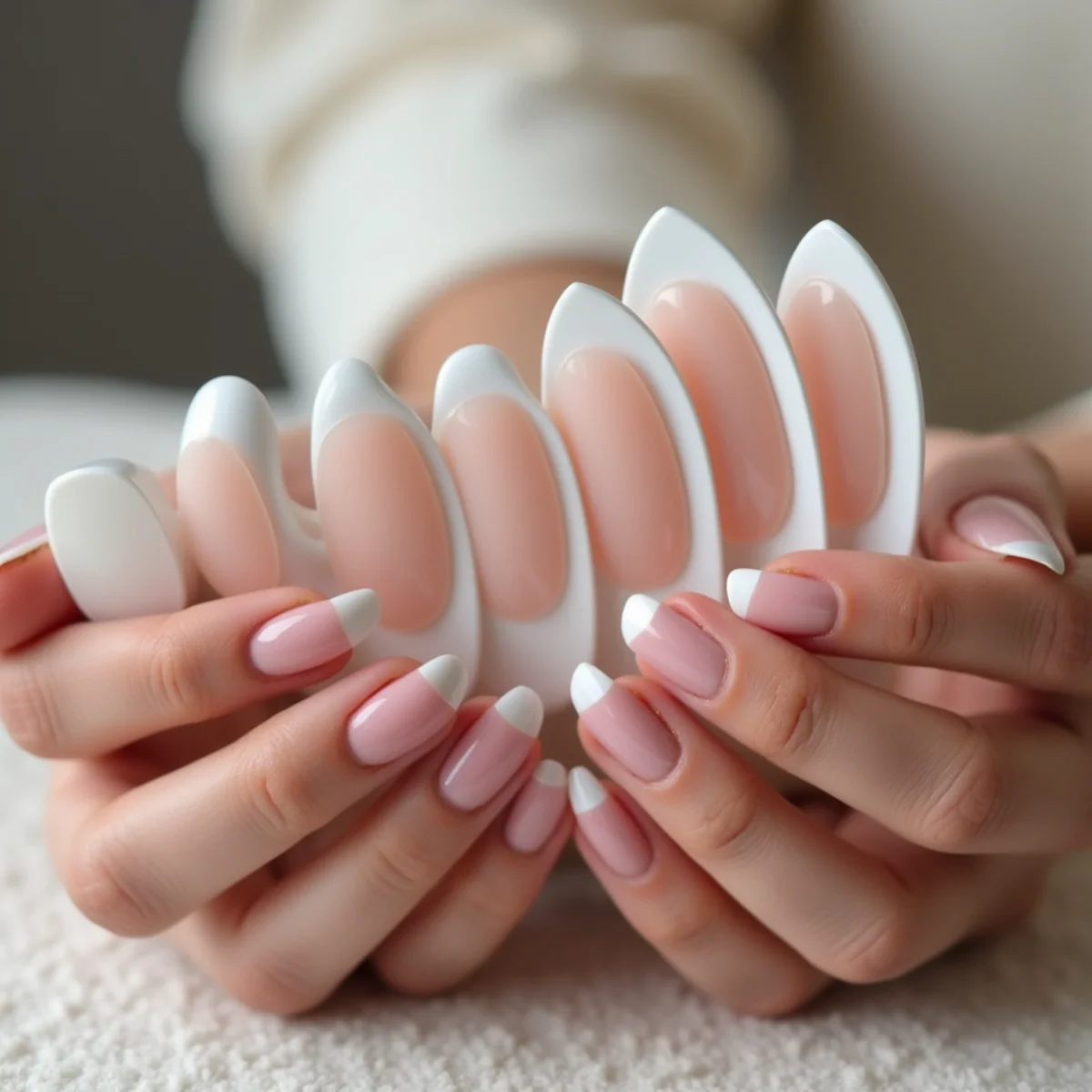
Square emphasizes a straight free edge and defined corners. It can feel strong when the nail structure supports it, but the corners experience direct impact. Coffin, sometimes called ballerina, tapers toward a flat tip and usually needs medium or long enhancement length to read clearly.
Both shapes benefit from realistic proportions. An excessively wide or flat enhancement can look bulky; an overly narrow one can lose support. Bring reference photos that show the side profile as well as the top view, because structure is not visible from a single angle.
How do you test whether a shape fits your life?
Think through the next two weeks: keyboard work, gloves, instruments, contact lenses, children, sports, gardening, and travel. Decide which tasks you refuse to make harder. That list gives a technician more useful direction than saying you want whatever is trendy.
If you are unsure, begin shorter and softer. Length can increase at a later service once you understand the maintenance. A shape should feel like an intentional part of your hands, not an obstacle you tolerate for the first few days.
What should you remember?
- Round and squoval suit many short routines.
- Oval offers a gentle taper.
- Almond needs enough supported length.
- Coffin is clearest on enhancements.
- Lifestyle outranks trend.
How does the sidewall change the shape decision?
A reference photo shows the tip, but the natural sidewalls determine how that shape can be reached. Narrowing a wide nail into a dramatic almond can require more length than expected. Forcing a short nail into a sharp point may remove useful side support. Ask what the shape will look like at your current length and what would need to grow before copying the photograph more closely.
Then test the shape against real contact points. Square corners may catch during pocket, glove, or hair work; a very tapered tip concentrates force; a rounded short edge can be easier to keep out of the way. None of these makes one shape best for every hand. The sound choice preserves enough structure for the nail or enhancement while fitting the tasks you repeat each day.
Choose shape in this order
- Start with the length you can use comfortably.
- Check the natural sidewalls before narrowing the tip.
- Name the daily tasks most likely to catch a corner.
- Bring one shape reference taken at a similar length.
Sources used for this guide
This article uses the following primary or professional references for its health, hygiene, or product-safety context:
Frequently asked questions
Which nail shape breaks least?
No shape is break-proof. Shorter rounded or squoval edges often reduce catching, but nail condition, structure, length, and daily impact still matter.
Can short nails be almond shaped?
A subtle taper may be possible, but a recognizable almond usually needs enough free edge or an enhancement to preserve sidewall support.
What shape makes fingers look longer?
Oval and almond create a tapered visual line, while a well-proportioned shape matters more than choosing the narrowest option.
Nearby readers
Publisher note: Independent visitor guide. This website is not operated by, endorsed by, or affiliated with T-Nails. Confirm current services, prices, and appointments directly with the salon.